Seasonal Spring Trail Guide: What Changes from Wet Winter to Dry Summer
Anyone who walks the same trail in March and again in July knows the ground tells a different story each time. The path that squelched underfoot in early spring can be a hard-baked ribbon of dust by midsummer, and a stream that forced a detour in April may be nothing but a dry bed of rounded stones in August. Weather and water do most of the editing on mountain trails, so a little knowledge of what to expect as the season turns can make the difference between a pleasant ramble and a day of slipping, backtracking, or turning around early.
This guide is about reading those changes before you set out. It looks at how water moves through the landscape from the wet winter months into the dry heat of summer, what that means for mud and footing, how the leaf cover shifts, and where access can vanish or reappear without warning. None of it replaces checking current conditions with a local park office or trusted trail group, but it does help you ask the right questions and pack for what is actually out there.
Late Winter and Early Spring: The Wettest, Most Fragile Time
In most hilly and mountainous areas, late winter is saturation season. Snow and rain have been feeding the ground for months, and the soil is close to its capacity. When the thaw sets in, every ditch and hollow runs with water, and small seeps appear where you would never see them in summer. This is also when trails are at their most vulnerable. A single pair of boots can carve a rut that holds water and widens with every passing walker, so many land managers ask people to stay off sensitive paths during this window.
Spring flow is the word to remember. Creeks that are only a trickle in August can be waist-deep torrents in April. That matters for two reasons. First is safety: a normally easy rock hop becomes a genuine hazard when the water is cold, fast, and high. Second is route planning: a trail that is a simple out-and-back in summer might have a ford that is impassable for a few weeks. If you are heading out early in the season, check whether your route crosses any water and, if it does, have a backup that stays on one side.
What mud actually tells you
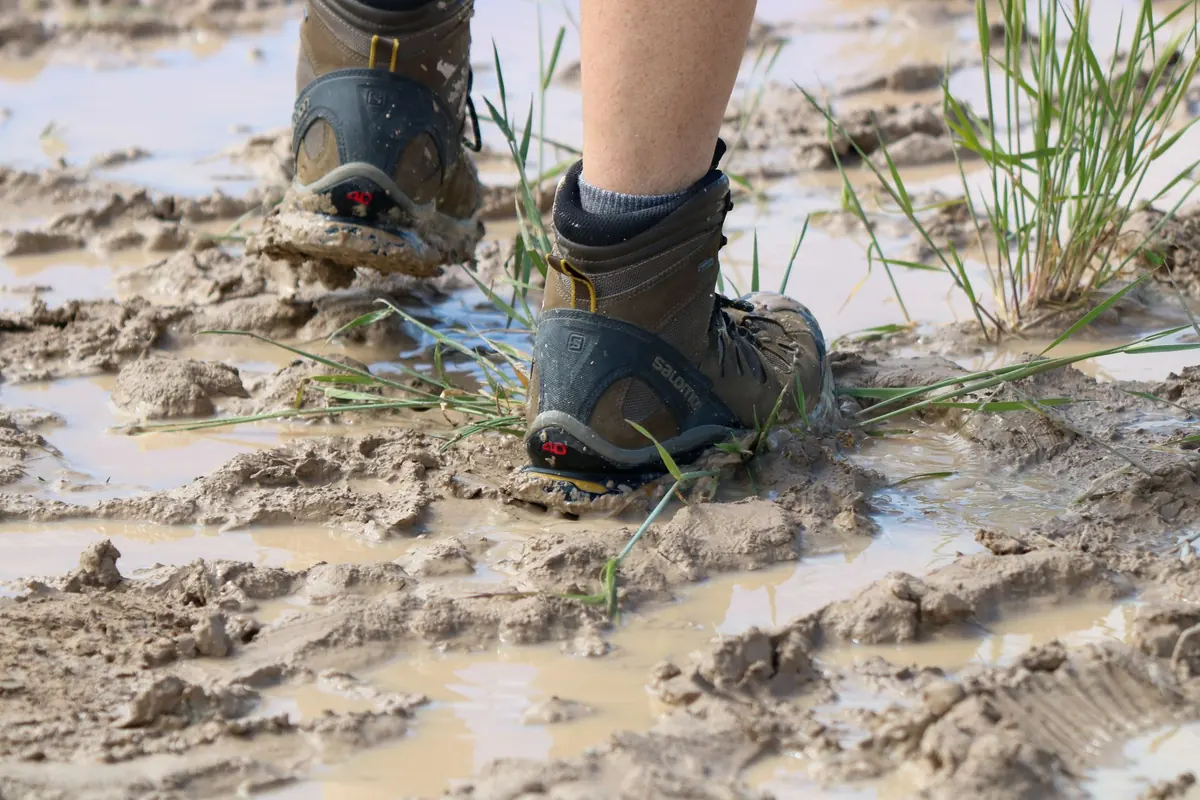
Not all mud is equal. Shallow surface mud that dries by afternoon is a nuisance, not a problem. Deep mud that swallows a boot to the ankle, or mud that holds standing water in a long trench, is a sign the trail is being damaged. In those conditions, the kindest option is often to turn around or choose a different route, or to stay on durable surfaces like rock, gravel, or hardened boardwalk where they exist. Walking around a wet patch widens the trail and starts a new braid of worn ground, which is why it is worth stepping straight through shallow mud rather than skirting it.
High Water and Crossing Decisions
The height of a stream on any given day is a moving target. A warm afternoon can push snowmelt into the channels and raise levels within hours, so a crossing that looked fine on the way up may feel very different on the way back. A few habits make these decisions easier:
- Look before you step. Gauge the current by watching a floating leaf or twig and note whether the water is clear or brown. Brown, fast water usually means unstable footing.
- Go early in the day. On snow-fed streams, levels are often lowest in the morning before the day's warmth sets in.
- Keep dry feet dry. If a crossing needs more than a careful step or two, it is a good sign to reroute or save the trail for later in the season.
- Never cross a swollen creek alone if you can avoid it. Turn back, wait, or choose another route.
- Carry a spare pair of socks and a lightweight towel. A dry foot at the halfway point is worth more than it sounds on a long day.
It is also worth learning where the trail's crossing points are before you leave. Some routes offer a true bridge; others rely on stepping stones that may be underwater. Knowing this changes which trailhead you choose on a wet weekend.
From Bulge to Budbreak: How Foliage Changes the Walk
The way light moves through a forest changes enormously between winter and summer. In late winter, with the trees bare, the sun reaches the forest floor and views open up in every direction. By late spring, new leaves create a soft, bright green ceiling that filters the light and keeps the ground cool. This has practical consequences for hikers. In April, a route with open, exposed edges may be warm and bright; in June, the same path is shaded and several degrees cooler. Early season walks often mean more sun exposure than you expect, because the leaf canopy is not yet there to protect you.
Spring is also when the first flush of growth arrives at different times depending on elevation and aspect. South-facing slopes warm first and green up early, while north-facing slopes can hold snow or cold, dark ground well into the season. That is why an early spring walk on a sunny hillside can feel like summer while the trail across the valley still feels like winter. If you are chasing pleasant conditions, elevation and aspect matter as much as the month on the calendar.
Wildflowers and the short window
The early green-up is a narrow window. Wildflowers in the understory often appear within a few weeks of the first warm days and can disappear once the canopy closes and shades the ground. For walkers, that means timing matters if you want the bright spring displays: aim for the period after the snow is gone and before the leaves are fully out. Late summer knows no such rush, but the trade-off is drier ground and fewer blooms.
Wet Winter to Dry Summer: What Changes in the Soil
The ground you walk on tells the clearest seasonal story. In late winter it is plump with water, sometimes greasy, and holds boot prints for weeks. By late spring it is firm enough to support regular use but still holds moisture in shaded hollows. In midsummer, the same trail surface can turn loose, dusty, and crumbly, with small stones rolling underfoot on steep sections. This is when dry-season footing becomes the concern: hard, smooth surfaces can be slick with dust, and long dry spells make some normally wet springs disappear entirely.
That shift changes your water planning. In spring, there are often refills everywhere and the main issue is staying dry. In summer, water can be scarce and the challenge becomes carrying enough. The practical lesson is to know which of your local trails provide reliable water in the dry months and which do not. Springs marked on old maps are not always flowing in August.
Trail Access Changes With the Season
Access is not one thing; it is a list of small conditions that change independently. Snow at the trailhead may keep a road closed long after the valley floor is green. A footbridge removed for winter may not be reinstalled until late spring. A gate on a private section might be open in one season and shut in another. Higher trails may stay snow-covered well into summer, while the same route is a straightforward walk from July onward.
A useful habit is to check three things before a seasonal outing: the status of the access road, the condition of any bridges or gates on your route, and the current snow line on the elevation you plan to reach. Local trail associations and park offices often post these updates, and a quick look at recent trail reports can save a long drive and a longer detour. If you are heading to a trail that crosses private land, confirm the permission or seasonal hours as well, because these can vary by month.
Practical Rules for Choosing the Right Conditions
Matching your walk to the season is mostly a matter of asking simple questions and packing for the answers. Start with the ground: is it wet, frozen, or dry, and what footwear suits it? Then consider the water: are you likely to meet a crossing, and is the flow likely to be high? Check the foliage: will you be exposed to sun, or walking in deep shade? Finally, confirm access: roads, gates, bridges, and snow line.
A short checklist before you go:
- Check recent trail reports and access updates.
- Match the route to the conditions, not the calendar. A low-elevation walk can be better in early spring than a high one.
- Carry layers, a warm hat, and rain protection in spring; carry more water and sun protection in summer.
- Plan for changing water levels and know your alternate route.
- Turn around if ground conditions are damaging the trail, or if a crossing is beyond your comfort.
None of this requires specialist knowledge, just attention. Walkers who read the season end up with better days on the trail, and the trails themselves hold up better too. If you are hiking with a group, a quick conversation about stream crossings and turn-around points before you start is worth more than any amount of gear. And if you have a health condition that affects exertion, balance, or exposure, check with a qualified professional about what conditions are sensible for you.
The best season for a walk is the one you are prepared for. By understanding how water, mud, foliage, and access shift from the wet winter months into the dry heat of summer, you can pick the day, the route, and the gear that let you enjoy the trail as it actually is.
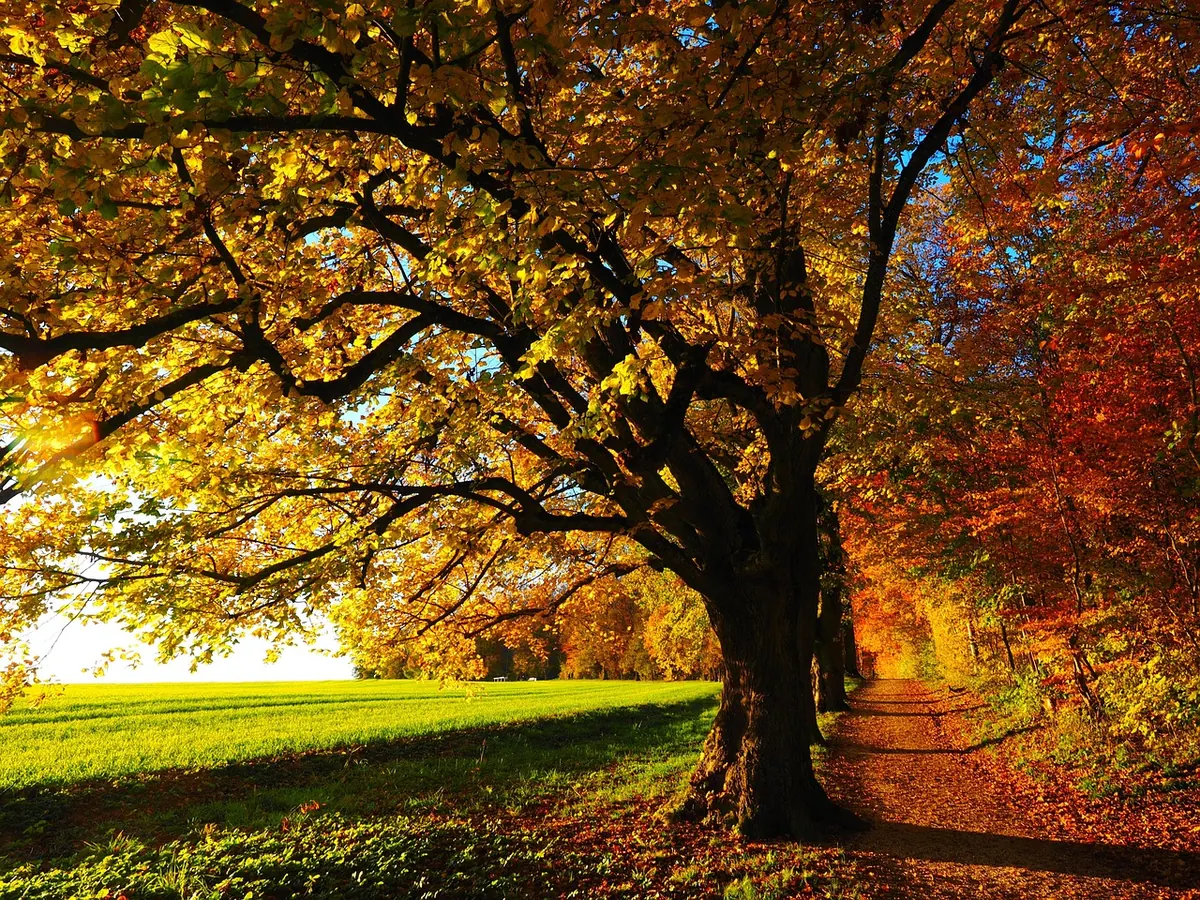
Photo: Hans / Pixabay