10 Common Mistakes Hikers Make at Natural Springs
A spring on a trail has a way of turning a tired hike into a good memory. The water is cold, the moss is green, and the map finally makes sense. That is exactly why so many hikers relax a little too much when they reach one. The mistakes below are rarely dramatic. They are small choices—a bottle rinsed in the wrong place, a pack set down on a fragile bank, a dog allowed to nose around the water—that add up across a season. The good news is that most are easy to fix once you notice them.
1. Treating a spring as a guaranteed water source
A spring is not a tap. It is a point where groundwater reaches the surface, and what happens uphill, upstream, and around the outlet still matters. Hikers often see a pipe, a stone basin, or a patch of clean gravel and assume the water is automatically safe. That is the first mistake, and it leads straight to the second: drinking without treating.
Clear water is not proof of safety. Surface water can carry pathogens from wildlife, livestock, or people, and a spring can be contaminated even when it looks pristine. Taste and smell tell you very little. If you are relying on a backcountry source, use a method you trust—boiling, a certified filter, chemical treatment, or UV—and follow the instructions rather than improvising. If you have a compromised immune system, are pregnant, or are unsure how to treat water safely, ask a healthcare professional before depending on backcountry sources.
Carry a backup supply even when the map shows a spring. Sources dry up, get fenced off, or turn muddy after storms. A liter in reserve is lighter than a bad afternoon of thirst.
A fill routine that avoids most trouble:
- Stop a few steps back and look at the outlet and the ground immediately upstream.
- Check for animal droppings, dead animals, erosion, or a obvious pollution source. If something looks wrong, move on.
- Fill bottles and bladders without touching the outlet with your hands, mouth, or cap.
- Treat the water before drinking, even if someone in your group says the spring is “always fine.”
- Cap up, step away from the source, and let the next person fill.
2. Crowding the outlet and washing at the source
Mistake three is crowding. A group of six hikers with packs, bottles, and flapping maps can turn a small spring into a muddy circus. People set caps on wet ground, lean over the pipe, and let their trekking poles poke into the bank. The water may stay clear, but the message is clear too: this is a place to be used hard, not cared for.
Mistake four is washing at the source. Even biodegradable soap, toothpaste, and sunscreen residues do not belong in a spring. They affect water quality, and they teach everyone downstream that the outlet is a sink. Wash hands, dishes, and faces well away from the water, carry the dirty water to a basin or pot, and scatter it over soil away from the spring. Keep sunscreen and insect repellent off your hands when you fill, or rinse your hands first with water carried away from the source.
A simple rule helps: the spring is for filling, not for lingering. Take what you need, step back, and let the place settle.
3. Trampling the banks and leaving gear behind
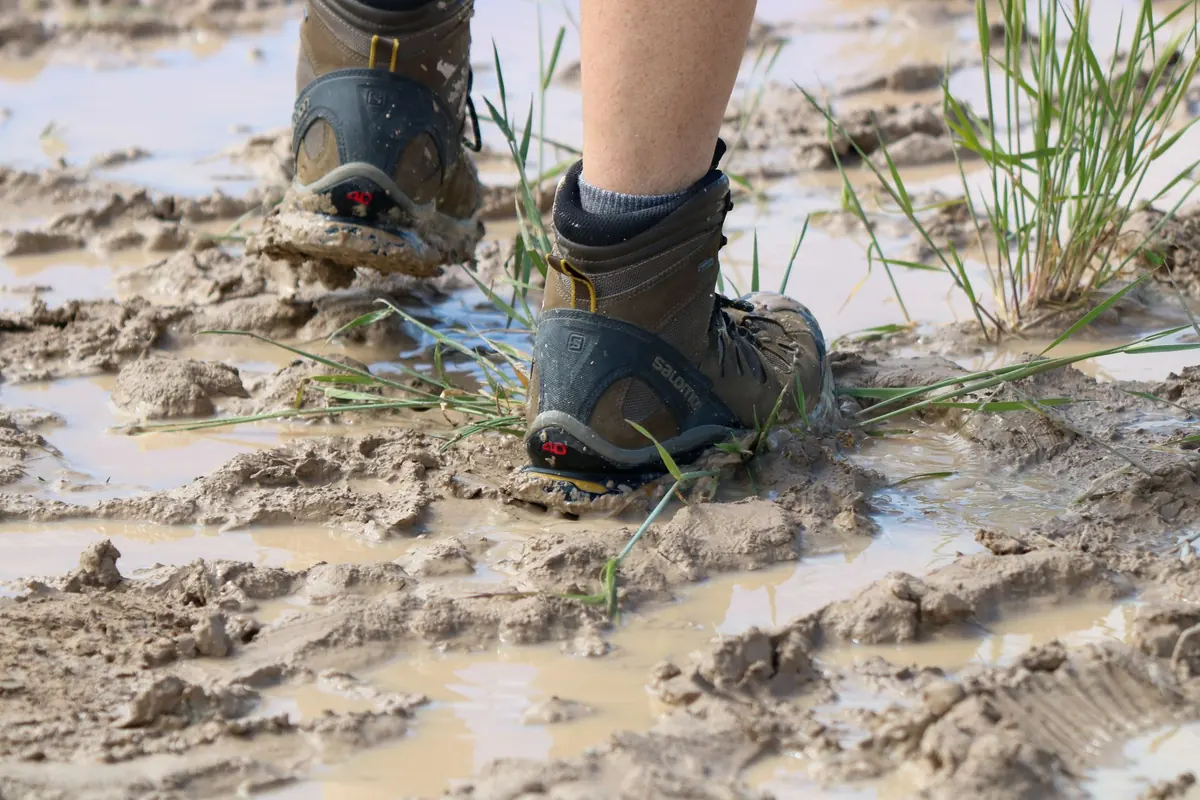
Mistake five is trampling wet ground. The soil around a spring is often soft, dark, and easily compressed. One person stepping off the trail seems harmless. Twenty people doing it over a summer creates a muddy fan that widens the trail, erodes the bank, and sends sediment into the water. Stay on the existing path or on durable surfaces such as rock or gravel. If there is no obvious approach, pick the driest, firmest line and avoid cutting new switchbacks or short cuts.
Mistake six is leaving gear near the spring. Bottles, filters, cook pots, food bags, and “just for a minute” packs do more than clutter the place. They block wildlife access, attract animals, and increase the chance that a cap or wrapper ends up in the water. Keep your pack on your back or set it well away from the outlet. Pack out every scrap, including the little foil top from a water treatment tablet. If you find trash that is not yours, and it is safe to pick up, carry it out.
4. Disturbing wildlife and camping too close
Mistake seven is disturbing wildlife at a shared water source. Springs are often the most reliable water for miles, and animals may wait until dusk or dawn to use them. Hikers who linger, talk loudly, or let a dog run loose can push wildlife away from water they need. Keep dogs leashed and well back from the outlet. Observe from a distance, then move on. If an animal is already there, give it space and come back later or find another source.
Mistake eight is camping or cooking too close. A spring is not a campsite, and a flat patch beside the water is usually flat because it is wet, compacted, or used by animals. A good default is at least 200 feet—about 60 steps—from the water, with local rules taking precedence where they differ. Cook and eat away from the source, store food properly, and keep dishwater out of the spring. The goal is not to make the spring feel untouched by you; it is to leave it functioning for everything else that depends on it.
5. Taking more water than the spring can spare
Mistake nine is overfilling and wasting. On a hot day with a big group, it is tempting to top off every bottle, rinse a pot, and fill a spare bladder “just in case.” A low-flow spring may not recover quickly. Take only what you need for the next stretch, and if the flow is a trickle, fill one container at a time and let the source recharge. Do not dump stale water back into the spring; carry it away and use it for washing or pour it over soil well away from the outlet.
This is also a planning issue. Know how much water your group actually drinks, and carry enough to reach the next reliable source. A spring that is marked on a map may be seasonal, may be dry, or may be smaller than expected. Treat every spring as a gift, not a guarantee.
6. Ignoring runoff and hiking without a backup plan
Mistake ten has two parts. The first is ignoring weather and runoff. After heavy rain, a spring can be turbid and more likely to carry contaminants from the surrounding ground. If the water is muddy or the outlet looks disturbed, do not assume treatment fixes everything; find another source or use your backup. Check upstream for livestock, erosion, or recent disturbance. Snowmelt and storm runoff change the picture quickly.
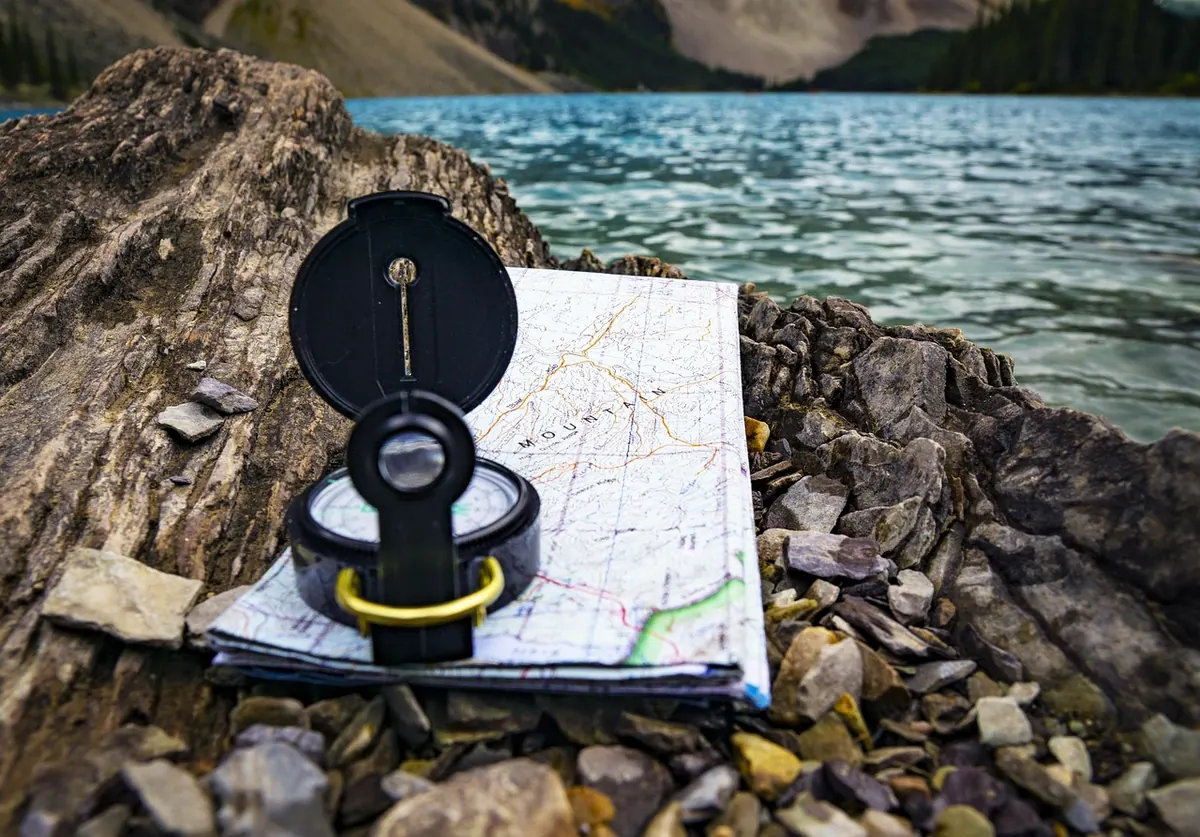
The second part is hiking without a backup plan. Relying on one spring with no alternative is a gamble. Note secondary sources on your map, carry extra water for the group, and set a turnaround time if the source is dry. Tell someone your route. In hot weather, start earlier and pace your water rather than drinking it all at the spring. These are ordinary habits, but they prevent the sort of day that starts with a relaxed fill and ends with a long, thirsty walk out.
Spring etiquette that keeps the place worth returning to
None of this requires special gear or a lecture. It requires a little attention at the moment you reach the water.
- Fill without touching the outlet, then step away.
- Treat the water, even when it looks perfect.
- Keep soap, food, and dishwater well back from the source.
- Stay on durable ground and avoid widening the approach.
- Give wildlife room, and keep dogs close.
- Take only the water you need, and pack out every scrap.
A good spring visit is short, quiet, and clean. You leave with full bottles and no trace that you were there—except, perhaps, a better trail for the next person.
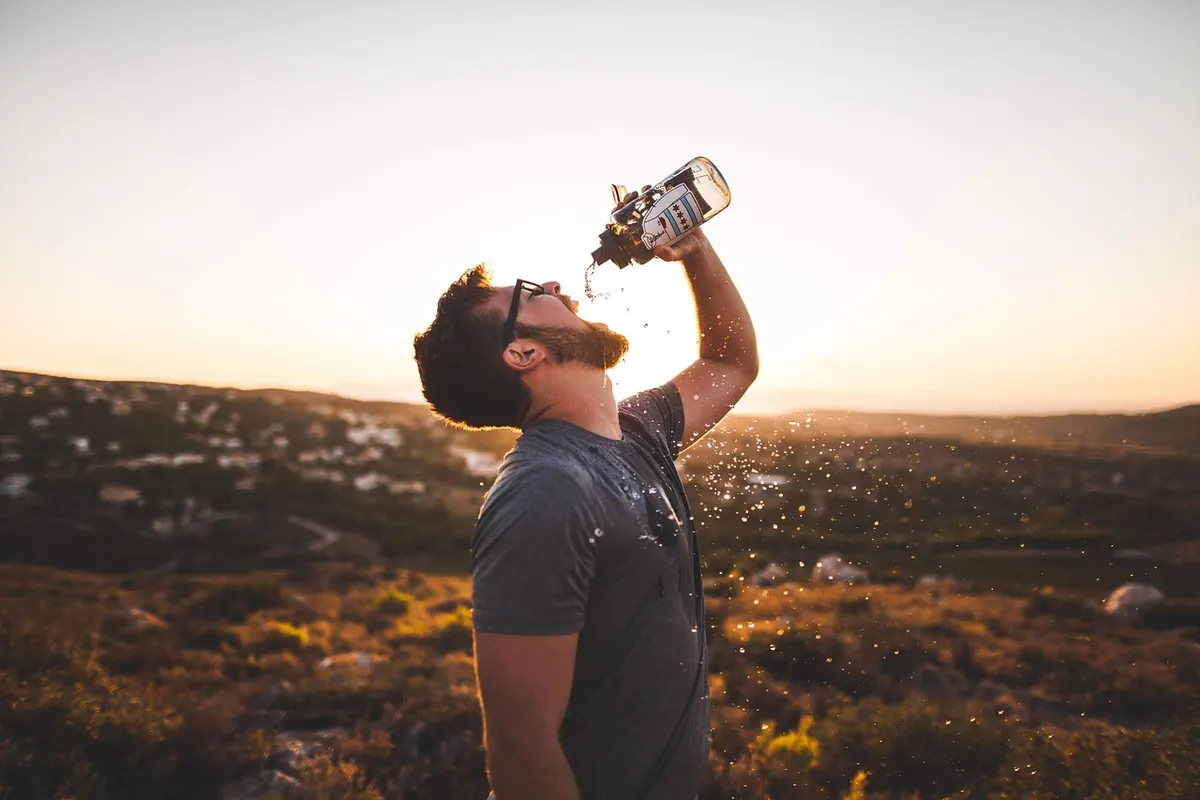
Photo: spasibokras / Pixabay